Maine - U. S. a. - Sticker Review
When I first opened the folder for Maine - U. S. a. - Sticker, I didn't just see a graphic; I saw a potential bestseller for my next Etsy collection. As a designer who spends hours testing files before they hit the hoop, my initial reaction was one of curiosity about how this specific layout would translate from a digital vector into a tactile stitched piece. The title suggests a sticker aesthetic, which is trendy right now, but in machine embroidery, that style often presents unique challenges regarding stitch density and edge definition. This review isn't about marketing fluff; it is about whether this design actually holds up when you are trying to sell a finished product or create a meaningful personalized gift.
The First Stitch: Visual Personality and Mood
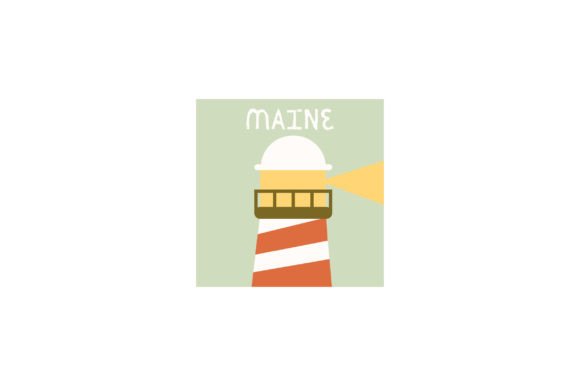
The immediate impression of Maine - U. S. a. - Sticker is one of casual Americana. It feels like something you would slap on a laptop or a water bottle, but translating that "sticker" vibe into thread requires careful consideration. The design relies on bold shapes and clean lines to mimic the look of a die-cut vinyl decal. For an embroidery project, this means the file likely utilizes a mix of satin stitches for outlines and fill stitches for the interior color blocks. If executed correctly, the result will have a crisp, modern feel that appeals to crafters looking for something less traditional than classic script fonts or floral motifs.
I imagine this design fitting perfectly on a canvas tote bag for a summer market or as a chest logo on a heavyweight sweatshirt for a boutique clothing line. The visual personality is confident and straightforward, making it ideal for brands that want to project a sense of place without being overly ornate. However, the "sticker" concept can sometimes look flat if the stitching lacks dimension. When evaluating Maine - U. S. a. - Sticker, I am looking for enough variation in the stitch direction to give the text and shapes some depth, ensuring it doesn't look like a cheap iron-on transfer once it is mounted on fabric.
Real-World Application: From Digital File to Finished Product
Let's talk about where this design shines in a real business scenario. I recently considered using this file for a custom order involving a set of embroidered patches for a local Maine tourism event. The goal was to create a small, durable badge that attendees could wear on their jackets. Because the design is categorized under Crafts and features a strong geographic theme, it naturally lends itself to apparel decoration and small shop merchandise.
If you are an Etsy seller, this design offers versatility. You could produce a batch of baby onesies with the design centered on the back, creating a sweet "Made in the USA" statement that parents love to photograph. Alternatively, placing it on a kitchen towel or apron creates a charming addition to a farmhouse-style home decor collection. The design works well as a standalone element because it is self-contained and doesn't require complex background elements to make sense. For commercial embroidery projects, the simplicity allows for quick turnaround times, which is crucial when fulfilling orders during peak seasons like holidays or summer travel months.
The inclusion of multiple formats—SVG, Transparent PNG, EPS, DXF, and the embroidery file itself—is a significant advantage. Having the SVG and DXF versions means you aren't limited to just one type of machine. You can use the DXF for your embroidery machine and the SVG for cutting machines if you plan to combine embroidery with vinyl applique techniques. This flexibility is essential for creative entrepreneurs who want to offer layered products that stand out in a crowded marketplace.
Where to Be Cautious: Fabric and Hoop Constraints
Despite its appeal, Maine - U. S. a. - Sticker is not a universal solution for every fabric type. My experience tells me that designs mimicking stickers often struggle on stretchy fabrics like thin jersey or loose-knit t-shirts unless proper stabilizers are used. The tension required to pull the threads tight for a clean outline can distort the fabric, leading to puckering that ruins the professional look of the final product.
Small hoop sizes present another challenge. If the design contains tiny lettering or intricate corners intended to look like a sticker seal, these details might get lost in a 4x4 hoop or disappear entirely on a 5-inch hat curve. On curved surfaces like caps, the distortion of the fabric can warp the text, making it difficult to read. I recommend testing this design on a scrap piece of the actual fabric you intend to use before committing to a full production run. Pay close attention to the stitch density; if the fill areas are too dense, the fabric may become stiff and lose its drape, which is particularly undesirable for baby clothes or lightweight summer apparel.
Dark fabrics also require extra planning. If the design does not include a pre-set underlay or if the thread colors chosen do not provide sufficient contrast, the design will look muddy rather than crisp. Always check the thread color contrast by reviewing black and white mockups to ensure the shapes separate clearly against the background material.
Design Notes for the Professional Maker
To get the most value out of this embroidery file, there are several technical steps you must take. First, inspect the small details closely. Does the design rely on running stitches for fine lines? These can break easily on items that need frequent washing, such as work aprons or children's clothing. If the design uses satin stitches for the edges, ensure the angle of the stitches changes appropriately around curves to prevent thread breaks.
Using the correct stabilizer is non-negotiable. For a design like this, which likely has a solid block of color, a cut-away stabilizer is often the safest bet to maintain stability over time, especially if the item will be washed repeatedly. If you are selling finished items, the durability of the embroidery directly impacts customer trust. A design that looks great initially but cracks or pulls after one wash will lead to negative reviews and returns.
Before listing Maine - U. S. a. - Sticker on your shop or using it for client work, confirm the licensing terms. Some digital product sellers assume all files are for personal use only, while others grant commercial rights for a fee. Verify whether you are allowed to sell the finished physical goods made from this design. Additionally, test the design in both light and dark fabric backgrounds to ensure the thread colors pop. If the file includes transparent PNGs, use them to create printable mockups that show customers exactly how the design will look on different garments.
Final Verdict on Practical Value
Maine - U. S. a. - Sticker is a solid choice for designers and makers who want to tap into the patriotic and regional craft trends without resorting to cliché imagery. Its strength lies in its adaptability across various product categories, from holiday gifts to boutique branding. However, success depends entirely on the execution. The difference between a mass-produced, low-quality patch and a high-end, handmade product often comes down to the choices you make regarding stabilizer, thread quality, and fabric selection.
For the hobbyist, this design offers a fun weekend project that results in a recognizable and shareable item. For the small business owner, it serves as a reliable asset that can be scaled into a collection. Just remember to treat every digital file as a starting point for experimentation. Test it, tweak it, and understand its limitations before you put it on the machine. When done right, Maine - U. S. a. - Sticker transforms from a simple digital image into a cherished part of a customer's wardrobe or home, proving that thoughtful design truly matters in the world of crafts.