Stupidity Comes in All Shapes and Sizes
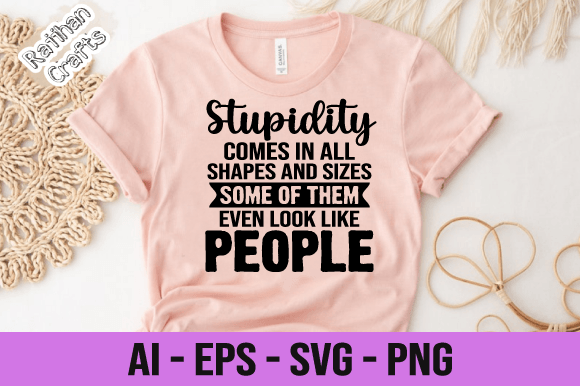
I have spent years reviewing machine embroidery design files for clients, small business owners, and craft fair vendors. My job is to look past the marketing hype and determine if a file will actually hold up under the needle. Today, I am evaluating a specific graphic titled Stupidity Comes in All Shapes and Sizes. It falls under the category of Print Templates and Graphics, but as an embroidery designer, I need to know how this translates from a screen to a stitched fabric surface.
The first impression of Stupidity Comes in All Shapes and Sizes is one of bold, unapologetic humor. The layout suggests a statement piece rather than a delicate accent. When I visualize this on a custom embroidered tote bag or a heavy-duty sweatshirt, the design feels like it belongs in a workshop or a creative studio where personality is valued over perfection. However, before I commit to stitching this into a finished product for a client, I have to consider the practicalities of thread density, stitch types, and fabric interaction.
Real-World Application: From Screen to Stitch
Imagine you are preparing a batch of handmade products for an upcoming holiday market. You want to create personalized gifts that spark conversation. You decide to use Stupidity Comes in All Shapes and Sizes on a set of kitchen aprons or tea towels. The concept works well because the text is punchy and fits the chaotic nature of cooking or crafting. But does it stitch well?
If this design relies heavily on satin stitch for the lettering, I would be concerned about stability on a thin cotton towel. Satin stitches can pull and distort lightweight fabrics if the stitch density is too high. For a commercial embroidery project like this, I would recommend testing the design on scrap fabric first. If the file includes fill stitch areas, they must be balanced with enough running stitch elements to allow the fabric to breathe. Without proper balancing, the final product might look puckered, which kills the professional appeal of your handmade product.
Consider the scenario of a boutique owner looking to brand their merchandise. They want to sell custom apparel featuring this quote. On a structured cap or hat, the curvature of the fabric changes how the design sits. A design that looks flat on a digital mockup might twist when applied to a curved surface. I would advise checking whether the hoop size required for this file matches the available embroidery area on the hats. If the design is too wide, it will overlap the seams or sit awkwardly near the brim, ruining the visual balance.
Where Caution Is Required
Not every surface is suitable for every design. While Stupidity Comes in All Shapes and Sizes has a strong visual personality, there are specific situations where it could fail if not handled correctly. Small hoop sizes are a major constraint. If the design contains intricate details or tiny lettering, shrinking it down to fit a 4x4 inch hoop will result in a muddy mess. The threads will crowd each other, and the text may become illegible.
Textured fabrics also pose a challenge. Embroidery on a thick fleece or a rough burlap sack requires different stabilization techniques than smooth poplin. If you attempt to embroider this on a stretchy jersey knit without using the correct stabilizer, the design will likely warp during washing. This is particularly important for baby clothing or items intended for frequent laundering. A finished product that shrinks or distorts after one wash will damage your reputation as an Etsy seller or small shop owner.
Dense stitch areas should be avoided on dark fabrics unless you plan to use a backing or a specific underlay technique. Dark backgrounds can sometimes show through light-colored threads if the coverage isn't sufficient. Furthermore, if the design includes layered garments or decorative accents, ensure that the file supports the necessary thread colors to achieve the desired contrast. A lack of color variation can make a humorous quote feel dull rather than witty.
Visual Appeal and Customer Trust
In the world of craft business and Etsy listings, the quality of the embroidery speaks volumes about your brand consistency. Customers expect precision. When they see a design like Stupidity Comes in All Shapes and Sizes on a pillow cover or a nursery decor item, they are looking for clean lines and clear text. If the design appears sloppy or the edges are frayed, it undermines the perceived value of the item.
This design has the potential to increase buyer engagement because it is relatable. People love designs that acknowledge the imperfections of life. However, the execution must be flawless to convey that message effectively. A well-stitched version of this quote on a personalized gift can become a cherished keepsake. Conversely, a poorly executed version can end up in the trash. That is why I always emphasize the importance of testing your digital embroidery file before mass production.
When creating printable mockups or design assets for your shop, remember that the digital preview does not always reflect the reality of the thread. Use black and white mockups to check the contrast and readability of the text. Compare how the design looks on both light and dark fabric backgrounds. This step ensures that your customers know exactly what they are buying, reducing returns and increasing trust in your small shop product.
Practical Designer Notes for Success
Before you start stitching, follow these essential steps to ensure the best outcome:
- Test on Scrap Fabric: Always run a test stitch on a piece of the same material you intend to use for the final product. This reveals issues with tension, density, and fabric distortion.
- Check Thread Color Contrast: Ensure the chosen thread colors stand out against the background fabric. Poor contrast makes the design hard to read.
- Review Stitch Density: High density can cause puckering, while low density can look sparse. Adjust based on the fabric type.
- Confirm Hoop Size: Make sure your machine's hoop can accommodate the full dimensions of the design without cutting off any elements.
- Inspect Small Details: Zoom in on the file to check for tiny gaps or overlapping stitches that might not render well.
- Use Proper Stabilizer: Select the right stabilizer (cut-away, tear-away, or sticky) to support the fabric during and after stitching.
- Verify Licensing: Confirm whether the license allows for commercial use. Selling finished items made from this design requires explicit permission.
By treating Stupidity Comes in All Shapes and Sizes with the respect it deserves, you can turn a simple graphic into a high-value asset for your embroidery project. Whether you are making embroidered patches, tote bag designs, or sweatshirt embroidery, the key lies in preparation and attention to detail.
Ultimately, this design is a great addition to your collection of graphics for those who appreciate a bit of wit in their holiday embroidery or everyday wear. Just remember that the success of the final piece depends entirely on your skill and the care you take during the digitizing and stitching process. Test thoroughly, choose your materials wisely, and let the design shine through the thread.