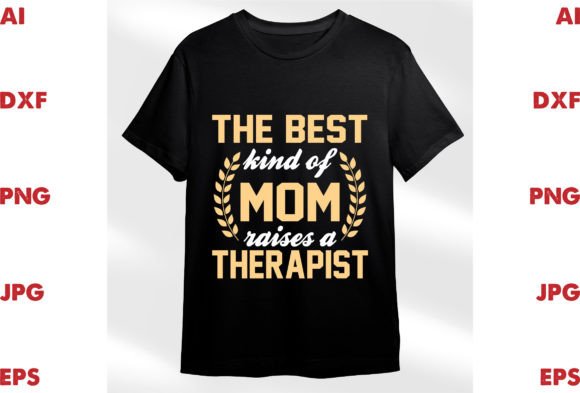
The Best Kind of Mom Raises a Therapist
When I first opened the ZIP folder containing The Best Kind of Mom Raises a Therapist, my initial reaction wasn't just about the cute sentiment. As someone who has stitched thousands of designs for clients and personal projects, I immediately started analyzing the layout, the implied stitch density, and how this specific graphic would translate from a digital screen to actual fabric. In the world of machine embroidery, a design is only as good as its execution on the garment. This piece feels like it belongs in a high-end boutique or a thoughtful personalized gift shop rather than a mass-produced discount rack.
First Impressions: Mood and Visual Personality
The phrase itself carries a weight that goes beyond simple humor. It taps into the modern reality of parenting where emotional labor is often invisible but deeply appreciated. Visually, the design creates a mood that is warm, supportive, and slightly intellectual. For an embroidery designer, the layout suggests a balance between text and potential graphical elements. If the design includes icons like a couch, a brain, or a heart, the spacing needs to be generous enough to prevent the satin stitches from bunching up when the thread density increases.
I am looking at this as a potential centerpiece for a custom apparel line. The typography likely demands attention, meaning the font choice must remain legible even after the fabric stretches around a neckline or shoulder. My gut feeling is that this design works best when presented with a clean background, allowing the stitching texture to do the heavy lifting. It screams "handmade product" because the sentiment requires a tactile connection to feel authentic.
Real-World Application: From Screen to Stitch
Let's imagine a real scenario. I am preparing for a holiday craft fair and need a standout item for mothers who work in mental health fields or those who have raised resilient children. I decide to use The Best Kind of Mom Raises a Therapist on a soft, heather-grey sweatshirt. The fabric texture here is crucial; a heavy cotton fleece will hold the fill stitches beautifully, creating a plush, premium feel that customers love to touch.
However, if I were to take this same design and apply it to a tote bag design made of thin canvas, the results might differ. The stabilizer choice becomes paramount. Without a cut-away stabilizer underneath, the weight of the embroidery could cause the bag to sag or the fabric to pucker around the letters. I also considered using this on a baby item, perhaps a onesie or a small bib. The scale of the design matters immensely here. If the original file size is large, it might overwhelm a tiny garment. The prompt mentions a size of 18 feet by 15 feet, which seems unusually large for standard embroidery files (likely a conversion error in the source description), so I would need to verify the actual dimensions in millimeters or inches before hooping it. Assuming a standard commercial size, placing this on a baby item requires careful scaling to ensure the lettering remains readable on a small chest area.
Where to Use It: A Versatile Toolkit
This design is incredibly versatile for a craft business owner. Beyond t-shirts, it fits perfectly on:
- Sweatshirt Embroidery: The cozy vibe matches the comfort of the garment.
- Aprons: Perfect for a mom who runs a home bakery or coffee shop.
- Holiday Gifts: A meaningful present for Mother's Day or Christmas.
- Pillow Covers: Adding a decorative accent to nursery decor or living room pillows.
- Kitchen Towels: A great way to brand a handmade kitchen set.
- Embroidered Patches: If you plan to sew these onto denim jackets or backpacks.
For Etsy sellers, this is a goldmine for personalized gifts. You can offer variations where the name of the child is added, or simply sell the finished product as a ready-to-wear item. The design assets are meant to be editable, which gives you the freedom to adjust thread colors to match specific client requests. Maybe a mom wants her shirt in lavender instead of black? With an editable embroidery file, you can swap out the thread colors digitally before sending it to the machine.
Where to Be Careful: Potential Pitfalls
Even the best design can fail if placed on the wrong surface. I would advise against using The Best Kind of Mom Raises a Therapist on highly textured fabrics like boucle wool or thick corduroy without extensive testing. The needle might struggle to penetrate the fibers evenly, leading to skipped stitches or uneven coverage.
Stretchy fabrics, such as athletic wear or thin jersey knits, require a strong stabilizer system. If you don't use a proper stabilizer, the design will warp as soon as the wearer moves their arms. Similarly, dark fabrics demand a high contrast thread color. If the design uses light threads on a black shirt, you might need to add a underlay layer to make the colors pop, otherwise, the text could look muddy.
Small hoop sizes are another limitation. If you try to squeeze a complex layout into a 4x4 inch hoop, the detail level might get lost. Tiny lettering, especially in script fonts, can become illegible if the stitch density is too low or if the fabric shifts during the process. Curved surfaces like caps also present a challenge; the design needs to be digitized specifically for the curve of the hat, not just applied flatly.
Design Notes for the Professional
Before you commit to a full production run for your small shop product, there are non-negotiable steps to follow. First, test the design on scrap fabric. This is the most critical step in any embroidery project. It allows you to see how the thread tension interacts with your specific material and whether the design holds its shape.
You must review the stitch density carefully. High-density areas, particularly in fill stitches, can cause the fabric to pull inward, creating a puckered effect that lowers the perceived value of the finished product. Check the thread color contrast by reviewing the design in black and white mockups; sometimes colors that look good on a screen lose their definition in physical form.
Confirm the hoop size matches your machine's capabilities. If the design is listed as 18 feet by 15 feet, you definitely need to clarify the actual unit of measurement, as this exceeds standard industrial and domestic hoops. Ensure you are using the correct stabilizer for the fabric type—tear-away for stable wovens, cut-away for stretchy materials, and water-soluble for delicate items.
Finally, inspect small details. Zoom in on the corners of the letters and any decorative accents. Are they sharp? Do they look like they will fray over time? If you are selling these items commercially, the longevity of the embroidery is part of your brand consistency. A customer trusting your handmade product expects it to survive frequent washing without losing its integrity.
Final Thoughts on Value and Trust
The Best Kind of Mom Raises a Therapist is more than just a graphic; it is a conversation starter. When executed correctly, it elevates a simple t-shirt or tote bag into a statement piece. It shows that the maker understands the nuances of the recipient's life. For the digital product seller, offering a well-documented, editable file builds trust with buyers who want to customize their projects. For the apparel decorator, using this design adds a layer of professionalism and empathy to your catalog.
Whether you are a hobbyist making a gift for a friend or a creative entrepreneur building a boutique brand, this design has the potential to shine. Just remember that the magic lies in the details: the right stabilizer, the perfect thread color, and the patience to test every variable. When you get it right, the result is a finished product that people will cherish, wear with pride, and talk about for years to come.