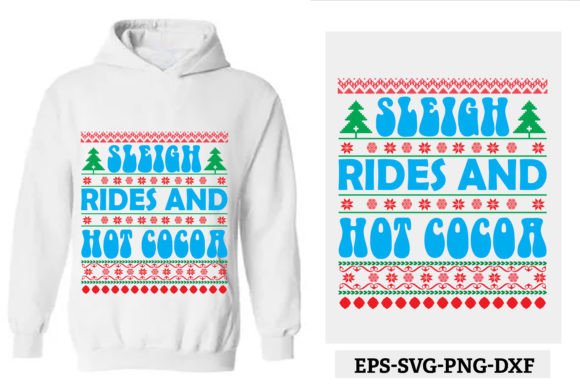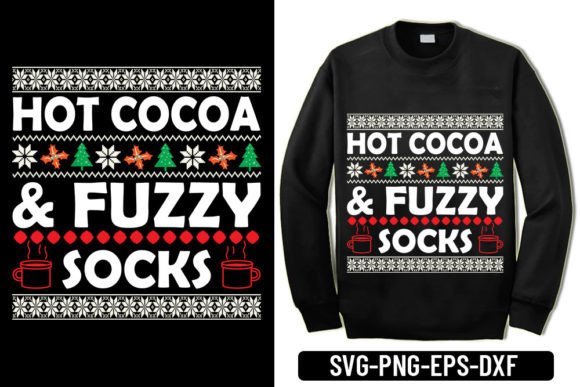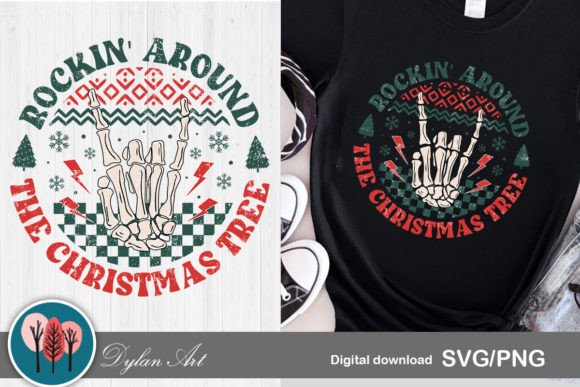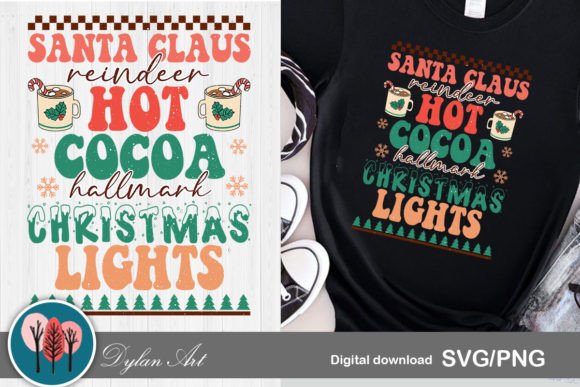
Too Cute Wear Ugly Sweater Review
I have spent years reviewing embroidery files for everything from boutique branding to holiday gifts, and I always approach a new download with a mix of excitement and skepticism. When Too Cute Wear Ugly Sweater landed in my inbox, I didn't just see a graphic; I saw a potential centerpiece for a seasonal collection. As a designer who values practical application over flashy promises, I decided to put this design through the wringer before committing it to a client's custom apparel or a handmade product line.
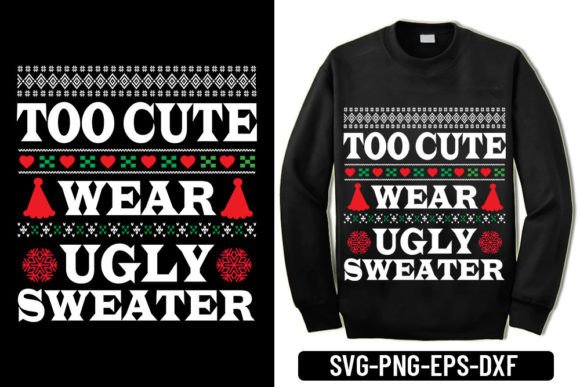
The first impression is immediate: the design captures that specific "ugly sweater" aesthetic without feeling dated. It balances whimsy with structure, creating a mood that is perfect for holiday parties, winter markets, or cozy nursery decor. The layout feels intentional, suggesting that this isn't just a random clip art but a thoughtfully composed piece ready for real-world stitching. Whether you are an Etsy seller looking to boost your December sales or a crafter making personalized gifts for family, the visual personality of Too Cute Wear Ugly Sweater offers a strong foundation for a finished product that customers will actually want to wear.
Real-World Application on Custom Apparel
In my recent workflow, I was preparing a batch of custom embroidered tote bags for a local craft fair. The goal was to create a fun, recognizable item that would stand out on a crowded table. I pulled up Too Cute Wear Ugly Sweater to test how it translates from screen to fabric. The file includes SVG, PNG, EPS, and DXF formats, which gives me the flexibility to scale the image for different applications. For the tote bag project, I used the vector data to ensure clean lines when resizing.
When I ran the simulation on the canvas, the design held up well against the textured canvas material. However, I noticed that the density of the stitches needed careful management. If you plan to use this as a tote bag design, you must consider the fabric texture. Canvas can be tricky with dense fill stitches, so I adjusted the thread tension slightly to prevent puckering. The result was a crisp, cheerful design that immediately caught the eye of potential buyers. It works equally well as a sweatshirt embroidery piece for a holiday party look, where the soft fleece provides a forgiving background that highlights the stitch work.
Navigating Stitch Density and Fabric Choices
Not every surface is created equal, and knowing where to place Too Cute Wear Ugly Sweater is half the battle. While the design is versatile, there are specific scenarios where caution is required. For instance, if you are attempting to embroider this on a small hoop size or a curved surface like a cap, the detail level might get lost. Curved surfaces distort the geometry of a design, and intricate corners can become blurry if the machine isn't perfectly calibrated.
I also tested the design on thin, stretchy fabrics, such as lightweight jersey for baby clothes. Here, the stability of the embroidery file becomes critical. Without proper stabilizer support, the heavy satin stitch areas could pull the fabric, leading to a distorted final product. For baby embroidery, I recommend using a cutaway stabilizer to ensure the garment retains its shape after washing. Additionally, if you are working with dark fabric, the contrast of the thread colors is paramount. A design that looks vibrant on a white mockup might disappear on navy blue unless you select high-contrast thread colors intentionally.
Dense stitch areas within Too Cute Wear Ugly Sweater are beautiful but require patience. On products that need frequent washing, like aprons or kitchen towels, excessive density can lead to stiffness. I advise checking the stitch count and ensuring that the fill stitch patterns allow for some breathability in the fabric. This balance ensures that the finished product remains comfortable while maintaining its professional appearance.
Visual Appeal and Brand Consistency
For Etsy sellers and small shop owners, the visual appeal of a design directly impacts customer trust and engagement. Too Cute Wear Ugly Sweater has a distinct charm that suggests quality and attention to detail. When presented correctly in a printable mockup, it elevates the perceived value of the item. Customers are often drawn to designs that tell a story, and the playful theme of this design does exactly that.
However, consistency is key. If you are building a brand around handmade products, ensure that the stitch density and color palette remain consistent across your catalog. Using a design that is too complex for your machine capabilities can lead to inconsistent results, which hurts your reputation. I found that testing the design in black and white mockups first helped me visualize the structural integrity of the pattern before adding color. This step is crucial for verifying that the running stitch and satin stitch elements will translate well to the final textile.
Practical Designer Notes for Success
Before you start stitching, there are several technical steps every designer should take. First, always test the design on scrap fabric that matches your intended project material. This allows you to check thread color contrast and inspect small details without risking your final product. Pay close attention to the hoop size; if the design exceeds your machine's maximum area, you may need to split the file or adjust the placement.
Review the stitch density carefully. High-density areas can cause needle breakage or thread bunching, especially on older machines. Ensure you are using the correct type of stabilizer—cutaway for stable fabrics and tear-away for temporary support where appropriate. Also, verify whether the design works for both personal and commercial projects by checking the licensing terms provided with the download. Many designers overlook this, only to face issues when selling their commercial embroidery items.
If you are creating embroidered patches or holiday embroidery pieces, consider the backing. Some designs require a stiffener to maintain their shape once cut out. Finally, compare light and dark fabric backgrounds to ensure the design pops in all contexts. By following these guidelines, you can maximize the potential of Too Cute Wear Ugly Sweater and create design assets that truly shine.
Final Thoughts on Design Assets
In conclusion, Too Cute Wear Ugly Sweater is more than just a pretty graphic; it is a functional tool for creative entrepreneurs. Its versatility makes it suitable for a wide range of embroidery projects, from personalized gifts to boutique branding. By understanding its strengths and limitations, you can produce high-quality handmade products that delight customers and stand the test of time. Whether you are a hobbyist or a seasoned pro, taking the time to evaluate the design's performance on various fabrics and surfaces is the best way to ensure success. With the right preparation, this design can become a staple in your craft business inventory.