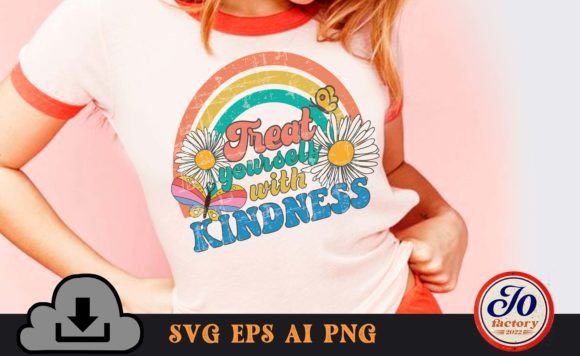
Treat Yourself Wit Kindness Sublimation Review
In the world of machine embroidery design, there is a distinct difference between a graphic that looks good on a screen and one that holds up under the tension of a needle. As someone who has spent years evaluating embroidery files for client projects and personal craft businesses, I approach every new asset with a healthy dose of skepticism. Today, I am putting the Treat Yourself Wit Kindness Sublimation through its paces to see if it truly belongs in a professional workflow or if it should remain a simple digital download.
The first impression of this design is immediate warmth. The phrase "Treat Yourself With Kindness" carries an emotional weight that translates well into textile art. Unlike generic motivational quotes that often feel mass-produced, this piece suggests a softer, more intimate mood. It feels like something that belongs on a baby onesie, a cozy sweatshirt, or a personalized gift for a friend going through a tough time. The layout appears balanced, avoiding the cluttered look that often plagues text-heavy Graphics. However, seeing the vector preview is only half the battle; the real test lies in how the stitches interact with fabric texture.
Real-World Application: From Screen to Stitch
To understand where this design fits best, imagine you are preparing for a busy holiday season. You have a stack of custom embroidered tote bags waiting for decoration, or perhaps you are assembling a boutique collection of aprons for a local market. This is where Treat Yourself Wit Kindness Sublimation shines as a potential centerpiece. The concept aligns perfectly with the current trend of self-care products and handmade gifts that prioritize mental wellness.
When I visualize this on a light-colored cotton canvas tote bag, the design gains a sense of approachability. The text likely works beautifully with a satin stitch finish, providing a smooth, glossy surface that contrasts nicely against the matte texture of the bag. For a small business owner or an Etsy seller, this kind of imagery drives engagement because it speaks directly to the customer's emotional state. It isn't just a product; it is a message. If you were to place this on a dark navy hoodie, the thread color selection becomes critical. A high-contrast white or cream thread would make the message pop, ensuring the stitch density remains visible even after multiple washes.
However, the versatility of this design extends beyond apparel. Picture a nursery setting. Embroidering this quote onto a soft muslin blanket or a baby bib creates a sentimental keepsake. The gentle nature of the phrase makes it ideal for personalized gifts that parents want to pass down. In these scenarios, the visual appeal of the finished product relies heavily on the precision of the digitization. If the letters are too tight, they might pucker the delicate fabric. If they are too loose, the design will lack definition. The reviewer must consider whether the file supports the necessary adjustments for different hoop sizes.
Technical Considerations for the Embroidery Designer
While the concept is strong, practical application requires careful attention to detail. Not all fabrics behave the same way under the presser foot. If you plan to use this on a stretchy jersey knit t-shirt, you must be vigilant about using the proper stabilizer. Without adequate backing, the tension of the satin stitch could distort the garment, ruining the shape of the lettering. Similarly, textured fabrics like waffle knits or heavy fleece can hide the fine details of the design, making the text harder to read from a distance.
There are specific areas where caution is advised. Small hoop sizes present a challenge for any design containing detailed corners or tiny lettering. If the digitization includes intricate flourishes around the words, they may disappear when reduced to fit a 4x4 inch hoop. Furthermore, curved surfaces like baseball caps require a specific curvature adjustment. A design that looks flat and perfect on a flat bed machine might warp awkwardly when pulled over the curve of a cap visor. Before committing to a full production run, I strongly recommend testing the design on scrap fabric that matches your final material. This step reveals issues with thread breakage, puckering, or registration errors that mockups cannot show.
Another crucial factor is the file format. The product description mentions editable AI and EPS files. While this is excellent for designers who need to adjust spacing or change fonts before converting to an embroidery format, it does not guarantee that the final stitch file is optimized. You must check the stitch count and ensure the density settings are appropriate for the fabric weight. High-density fills on thin fabrics can lead to a stiff, uncomfortable finish. Conversely, low-density fills on thick towels might look patchy. Always inspect the small details, such as the serifs on the letters or the curves of the "W" and "K", to ensure they are clean and free of jagged edges.
Maximizing Value and Professionalism
The ultimate goal of any commercial embroidery project is to deliver a finished product that builds trust. A sloppy execution of a beautiful design can damage a brand's reputation, while a flawlessly stitched simple design can elevate a shop's status. Treat Yourself Wit Kindness Sublimation offers a great opportunity to create high-value items, provided the technical execution is sound. When customers receive a handmade item that features clear, crisp lettering and no visible puckering, they perceive higher quality and are more likely to return for future purchases.
This design also lends itself well to various marketing materials. You can use it to create printable mockups for social media, showcasing how the embroidery project would look on different garments. Whether you are selling digital assets or finished goods, the consistency of the design across platforms reinforces brand identity. However, remember to verify the licensing terms before selling finished items. Some designs allow for personal use only, while others permit commercial sales. Confirming these details protects your business from legal issues and ensures you are operating ethically within the craft business community.
Final Thoughts on Practical Use
Ultimately, the decision to use Treat Yourself Wit Kindness Sublimation in your next project depends on your specific needs and the quality of the underlying digitization. It is a versatile option that fits naturally into categories ranging from tote bag design to holiday embroidery. Its emotional resonance makes it a favorite for boutique branding and small shop products that aim to connect with buyers on a deeper level.
For those looking to expand their inventory of custom apparel, this design is worth the investment, especially if you take the time to test it thoroughly. Check the thread color contrast, review the stitch density, and ensure the design works for both light and dark backgrounds. By approaching this asset with a professional eye and a commitment to quality control, you can transform a simple digital file into a cherished handmade product that stands out in a crowded marketplace. Whether you are a hobbyist creating a unique gift or a seasoned decorator fulfilling a large order, this design has the potential to add a touch of kindness to your work.