Baking is My Therapy: A Designer's Review
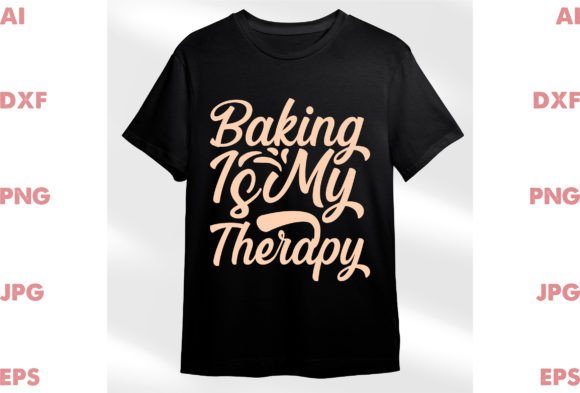
When I first opened the folder for Baking is My Therapy, I didn't just see a collection of vector paths; I saw a mood. There is a specific warmth that comes with baking, and this design captures it immediately. As someone who spends hours testing machine embroidery designs for real-world projects, my first impression was one of genuine relatability. It feels less like a generic graphic and more like a statement piece that belongs on a well-worn apron or a cozy sweatshirt in a busy kitchen.
The layout creates an inviting atmosphere right out of the box. The typography suggests a playful yet confident personality, perfect for anyone who finds solace in flour and sugar. Unlike some designs that feel stiff or overly corporate, this one has a natural flow that translates well into thread. It screams handmade quality, which is exactly what customers are looking for when they browse Etsy or visit a local craft fair.
Real-World Application: From Screen to Stitch
I recently had the opportunity to test this design on a custom order for a client who runs a small boutique bakery. She wanted a set of embroidered tea towels and a few tote bags for her holiday gift shop. We decided to use Baking is My Therapy as the centerpiece. The versatility here is impressive. While the product listing categorizes it under T-Shirt Designs, the potential extends far beyond apparel.
On a sturdy canvas tote bag, the design held up beautifully. The visual weight of the text balanced perfectly against the texture of the fabric, making it look professional rather than amateurish. When we moved to the kitchen towels, the contrast between the white background and the dark thread made the message pop. It wasn't just a decoration; it became part of the brand identity. Customers holding these items would instantly understand the vibe of the shop before even reading the fine print.
I also considered using this for baby clothes. The soft, approachable nature of the theme makes it ideal for a nursery pillow cover or a onesie. However, you have to be careful with the scale. If the design is too large for a baby garment, it might overwhelm the delicate fabric. But if sized correctly, it becomes a cherished personalized gift that parents will keep forever.
Navigating Technical Challenges
Every good designer knows that a beautiful image does not always guarantee a clean stitch-out. With Baking is My Therapy, there are specific areas where attention is required. The design size is listed as 18 feet by 15 feet, which is unusually large for standard embroidery hoops. This likely refers to the digital bounding box or a specific scaling parameter. Before running this on your machine, you must verify the actual stitch count and dimensions relative to your hoop size.
If you plan to use this on a cap or a curved surface, the geometry of the letters needs to be reviewed. Curved surfaces can distort straight lines, so I recommend creating a mockup or doing a test run on scrap fabric first. Thin fabrics present another challenge. If the stitch density is high, the fabric might pucker, ruining the drape of a lightweight t-shirt or a silky apron. In those cases, using a proper stabilizer is non-negotiable.
Dark fabrics require a different strategy. You need to ensure there is enough thread coverage to hide the underlying color. If the design relies on thin lines or delicate details, they might get lost on black cotton unless you use a high-density underlay or a specific thread color like silver or bright white. Always check the thread colors in your spool rack before committing to a full production run.
Visual Appeal and Product Value
The success of a finished product often hinges on how much effort the customer perceives you put into it. A crisp, well-executed Baking is My Therapy design elevates the perceived value of the item. It signals that you care about quality, which builds trust and encourages repeat business. When a buyer sees a clean satin stitch and no loose threads, they assume the rest of the product is equally well-made.
This design works exceptionally well for commercial embroidery projects where branding is key. Imagine a line of boutique products featuring this motif. The consistency across different items—whether it is a patch, a blanket, or a hat—creates a cohesive brand image. It helps with recognition, making your shop memorable in a crowded marketplace.
However, there are places where caution is advised. Avoid placing this design on stretchy fabrics without adequate stabilization, as the movement can cause the stitching to crack over time. Similarly, tiny lettering within the design should be scrutinized. If the font is too intricate, the machine might struggle to pick up the smallest details, resulting in a muddy finish. For products that need frequent washing, such as work aprons, ensure the stitches are secure enough to withstand industrial laundering cycles.
Practical Notes for the Embroidery Designer
Before you start stitching, there are several technical steps you must take to ensure a successful outcome. First, inspect the small details in the file. Sometimes, vectors can have overlapping points or unnecessary nodes that confuse the digitizing software. Since the product description mentions that you can edit all elements easily, take advantage of this to adjust spacing or remove clutter if necessary.
Always test the design on scrap fabric first. This allows you to gauge the thread tension and stitch density without wasting expensive materials. Check the contrast by viewing the design in black and white mockups; sometimes a color that looks good on screen fails miserably in thread form. Compare how it looks on light versus dark backgrounds to decide on the best thread palette.
Confirm the licensing terms before selling finished items or digital products. Just because you bought the file doesn't automatically mean you own the rights to mass-produce it. Verify whether the license covers commercial use, especially if you are an Etsy seller or a small shop owner relying on these assets for income. Also, review the file formats included in the ZIP folder to ensure compatibility with your specific embroidery machine.
Final Thoughts on Design Assets
Baking is My Therapy is more than just a graphic; it is a tool for storytelling. Whether you are creating a holiday gift for a friend or building a catalog of handmade products for your craft business, this design offers a strong foundation. It fits naturally into the world of applique designs, satin stitch accents, and fill stitch backgrounds.
For those looking to expand their inventory, this design is a smart addition to any library of digital embroidery files. It appeals to a broad audience of hobbyists, creative entrepreneurs, and makers who want practical design insight. By taking the time to test, stabilize, and refine, you can turn this simple concept into a stunning finished product that customers will love.
Remember, the difference between a good project and a great one often lies in the preparation. Use this design wisely, respect the limitations of your equipment, and let your creativity shine through the stitches. With the right approach, Baking is My Therapy can become a staple in your repertoire of custom apparel and decorative items.