Let's Get Elfed Up: A Designer's Real-World Embroidery Review
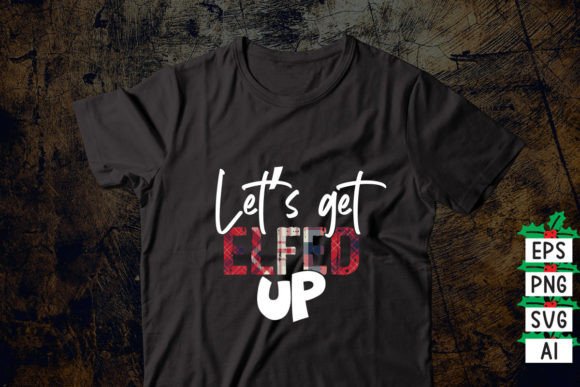
When I first opened the files for Let's Get Elfed Up, my immediate reaction wasn't about the file formats or the resolution. It was about the vibe. As a designer who spends hours staring at stitch counts and thread paths, I know that a design's success often comes down to its personality before it even hits the hoop. This piece carries a distinct holiday energy that feels less like a generic Christmas template and more like a playful invitation to get into the spirit of the season. It is the kind of graphic that screams "handmade with love" while still maintaining the professional polish required for a boutique product line.
I have spent years reviewing digital assets for everything from high-end corporate wear to custom baby onesies, and Let's Get Elfed Up stands out because it bridges the gap between a fun hobbyist project and a viable commercial asset. Whether you are an Etsy seller looking to boost your holiday sales or a crafter making personalized gifts for family, this design offers a versatile foundation. The title itself suggests a mood that is festive, slightly mischievous, and undeniably cheerful, which translates well when converted into physical thread.
From Digital File to Finished Product
The transition from a vector image on a screen to a tactile embroidery piece requires careful consideration. When I simulated how Let's Get Elfed Up would look stitched onto a heavy cotton sweatshirt versus a delicate linen tea towel, the results were telling. The layout appears balanced, likely utilizing a mix of satin stitches for outlines and fill stitches for the main body of the text or graphics. This combination is crucial for durability and visual impact.
In a real-world scenario, imagine preparing a batch of custom embroidered tote bags for a local craft fair. You want something that catches the eye without being overwhelming. Let's Get Elfed Up has that perfect balance. On a canvas tote bag, the design would pop against the natural fabric color, creating a statement piece that customers can carry home immediately. The contrast provided by the thread colors will be key here; if the design relies on fine details, testing the thread choice against the fabric background is non-negotiable. For a dark fabric, lighter threads might need a backing layer to prevent the weave from showing through, whereas on light fabrics, the stitching clarity should remain sharp and crisp.
I also considered using this design for a series of holiday gift items, such as aprons for a cooking class or pillow covers for a cozy winter gathering. The playful nature of the phrase makes it highly relatable, increasing the likelihood of a positive customer reaction. People buy handmade goods not just for utility but for the story behind them. A design that evokes a specific feeling of holiday cheer adds value to the finished product, making it feel like a thoughtful, curated item rather than mass-produced merchandise.
Where This Design Shines in Embroidery Projects
Let's Get Elfed Up is particularly effective in applications where the garment or item serves as a focal point. Here is where I see the most potential for both personal use and commercial ventures:
- Custom Apparel: Sweatshirts and t-shirts are the obvious choices. The design works well centered on the chest or as a larger back print, especially for team uniforms or holiday parties.
- Baby Items: There is a growing market for personalized baby clothes. This design could be adorable on a baby blanket or a soft bodysuit, provided the stitch density is adjusted to be gentle on sensitive skin.
- Home Decor: Kitchen towels, pillow covers, and even small wall hangings benefit from the whimsical theme. It fits perfectly in a rustic or modern farmhouse kitchen setting.
- Accessories: Caps, hats, and patches offer a great opportunity to showcase the design on a smaller scale. The curved surface of a cap requires precise digitizing, so checking the alignment is vital.
- Commercial Merchandise: For small shop owners, this design can serve as a signature element for holiday collections, helping to build brand recognition during the busiest time of the year.
Practical Constraints and Areas of Caution
While the concept is strong, no design is without its challenges. As an experienced reviewer, I must point out where Let's Get Elfed Up might struggle if not handled with care. The primary concern lies in the complexity of the lettering and any accompanying graphical elements. If the design includes tiny details or intricate corners, it may not hold up well in very small hoop sizes. Attempting to stitch minute details on a tight curve, such as the front panel of a baseball cap, can lead to puckering or loss of definition.
Fabric texture plays a significant role as well. Stretchy fabrics like jersey or thin materials like silk require extra stabilizer support to maintain the integrity of the machine embroidery design. Without proper stabilization, the tension of the stitches can distort the fabric, ruining the shape of the letters. Similarly, on dark fabrics, the underlay stitches might become visible if the top thread coverage isn't dense enough, which can detract from the clean look of the finished product.
Another critical factor is the frequency of washing. Items that will undergo frequent laundering, such as work aprons or children's clothing, need robust stitch density to prevent fraying over time. If the design relies heavily on long running stitches, they may be prone to snagging. It is essential to review the stitch type distribution before committing to a large production run.
Design Notes for the Professional Maker
Before you load this embroidery file into your machine, there are several practical steps every designer should take to ensure success. First and foremost, always test the design on scrap fabric that matches your final material. This simple step reveals issues with thread tension, fabric pull, and color contrast that you cannot see on a computer screen.
Check the stitch density carefully. High-density areas can cause the fabric to pucker, especially on lightweight materials. If you notice bunching, you may need to adjust the underlay settings or reduce the fill density. Additionally, inspect the small details in the artwork. If there is any text that is too small, consider simplifying the design or enlarging the overall dimensions to ensure readability.
Color selection is another area where judgment is required. Test your thread colors in both black and white mockups to ensure they provide sufficient contrast against your chosen fabric. A design that looks vibrant on a monitor might appear muddy on actual fabric if the shades are too similar. Furthermore, verify the licensing terms before selling finished items. While the package includes various formats like PNG, SVG, JPG, EPS, and AI, confirming whether you have the right to sell the embroidered products is a legal necessity for any commercial embroidery business.
Finally, think about the presentation. How will this design look in your online listings? Using a high-quality printable mockup can help you visualize the final result and attract buyers on platforms like Etsy. A clear, well-lit image of the design on a real garment builds trust and helps customers understand the quality of the handmade product they are purchasing.
Let's Get Elfed Up is more than just a graphic; it is a tool for creativity. With the right preparation and attention to detail, it can elevate your handmade product line and bring joy to your customers during the holiday season. Whether you are creating a one-off gift or building a full collection, this design offers a solid starting point for your next embroidery project.