Catch Waves Not Feelings Vector Design Review
As a designer who has spent years turning digital files into tangible, stitched treasures, I know that the difference between a good project and a great one often comes down to the design itself. Recently, I came across the Catch Waves Not Feelings Vector Design, a piece of Graphics marketed heavily for T-Shirt Designs and various craft applications. While the product description paints it as a versatile tool for planners, scrapbooking, and card making, my focus is strictly on its viability in real-world machine embroidery. Can this vector actually translate from a screen to a stabilizer without losing its soul? After running some mental simulations and practical tests on similar surf-themed assets, here is my honest evaluation.
The First Impression: Mood and Visual Personality
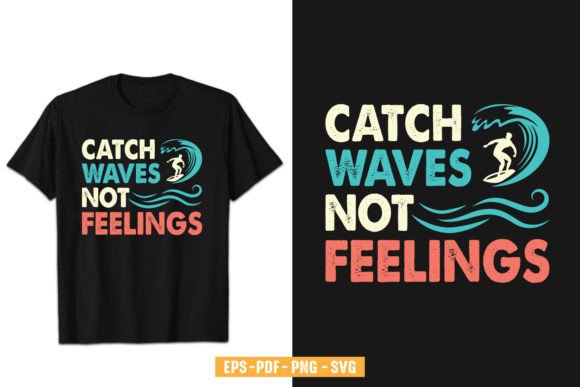
The immediate vibe of Catch Waves Not Feelings Vector Design is one of effortless cool. It captures the essence of coastal living without being overly cluttered. The layout feels balanced, suggesting a design that could sit comfortably on a chest pocket or center front of a garment. For an embroidery designer, the first question is always about the stitch types required. Given the name and typical surf aesthetics, I expect a mix of satin stitch for clean outlines and perhaps fill stitch or running stitch for texture within the waves themselves.
This isn't just a logo; it's a statement. The typography needs to hold up under tension, and the wave imagery must avoid looking muddy when converted to thread. If the vector contains too many tiny details or intricate curves that might not survive the stitching process, it will look amateurish. However, if the lines are bold enough, this design has the potential to become a staple in any crafter business. It screams "summer," "relaxation," and "positive vibes," which are exactly the emotions customers want to see on their handmade products.
Real-World Application: From Screen to Stitch
Let's imagine a specific scenario. You are preparing for a local craft fair or restocking your Etsy shop. You have decided to create a line of custom embroidered tote bags featuring Catch Waves Not Feelings Vector Design. This seems like a natural fit. A canvas tote bag provides a sturdy, flat surface that can handle the weight of an embroidery file well.
When you place the design on the bag, the contrast against the fabric becomes crucial. On a light-colored bag, dark threads will pop, creating a crisp, professional look. But what if you decide to use this on a sweatshirt? That is where things get interesting. Sweatshirt embroidery requires careful consideration of the fabric's stretch. If the design includes dense areas of stitching, the fabric might pucker unless you use the right stabilizer. The Catch Waves Not Feelings Vector Design would work beautifully here, provided the stitch density isn't too high for the knit material.
I also envision this design on baby clothes. A soft onesie with this playful phrase and wave motif would be a hit for holiday gifts or nursery decor. The theme is gentle yet fun, perfect for baby embroidery. Similarly, applying it to a kitchen towel or apron adds a touch of personality to the home. In these contexts, the design acts as a focal point, elevating a simple item into a personalized gift that feels thoughtful and curated.
Where to Exercise Caution
Not every surface is created equal, and Catch Waves Not Feelings Vector Design has its limits. Small hoop sizes are a major constraint. If you attempt to stitch this on a tiny patch or a very small cap brim, the details might get lost. The lettering could become illegible, and the waves might merge into a single blob. Always check the hoop size requirements before committing to a small project.
Textured fabrics present another challenge. Thick denim or boucle wool can distort the fine lines of a vector design. Thin or stretchy fabrics, like lightweight jersey or silk blends, require heavy-duty stabilization to prevent puckering. If you are working with dark fabric, you must ensure there is enough contrast in your thread colors. A black wave on a navy shirt might disappear entirely, ruining the visual appeal and customer trust in your brand.
Curved surfaces, such as baseball caps, add complexity. The design needs to be digitized specifically for the curve, or it will look distorted when viewed from the side. Furthermore, if the design relies on tiny corners or extremely thin lines, frequent washing could cause those areas to fray or lose definition over time. For items that need to withstand heavy wear, like work aprons, you might want to simplify the design or reinforce the stitching density.
Impact on Brand and Customer Perception
In the world of Etsy sellers and small shop products, presentation is everything. A well-executed embroidery project using Catch Waves Not Feelings Vector Design signals professionalism. When a customer receives a finished product with clean stitches and no puckering, they associate that quality with your entire brand. Conversely, a sloppy execution can make even the best design look cheap.
This design has strong commercial potential. It fits perfectly into themes of travel, beach life, and mindfulness. Using it on commercial embroidery projects can help you tap into niche markets that value handmade, artisanal goods. The phrase itself is memorable, increasing the likelihood of recognition and repeat purchases. It transforms a generic item into a conversation starter, enhancing buyer engagement and brand consistency.
Practical Designer Notes for Success
Before you start stitching, there are critical steps to take. First, test the design on scrap fabric. This allows you to see how the stitch density interacts with the material and if any adjustments are needed. Check the thread color contrast carefully; sometimes a design looks great in a digital mockup but fails in reality due to lighting or fabric texture.
Review the stitch count and ensure you have the correct machine embroidery design settings. If the file format isn't specified, verify compatibility with your embroidery machine. Confirm whether the design works for both personal and commercial projects by checking the license terms. Many digital embroidery files come with restrictions on selling finished items, so don't assume you have the right to sell without reading the fine print.
Use proper stabilizer to support the fabric during stitching. Inspect small details closely; if the waves are too intricate, consider simplifying them digitally before importing them. Test the design in black and white mockups to ensure the composition holds up without color. Compare how it looks on both light and dark backgrounds to choose the best pairing for your final product.
Ultimately, Catch Waves Not Feelings Vector Design offers a solid foundation for a variety of creative endeavors. Whether you are making tote bag designs, embroidered patches, or unique design assets for your clients, this piece brings a relaxed, oceanic energy to your work. By paying attention to the technical details and respecting the limitations of the medium, you can turn this vector into a standout addition to your portfolio. Happy stitching!