Vector Design for Indigenous Day Review
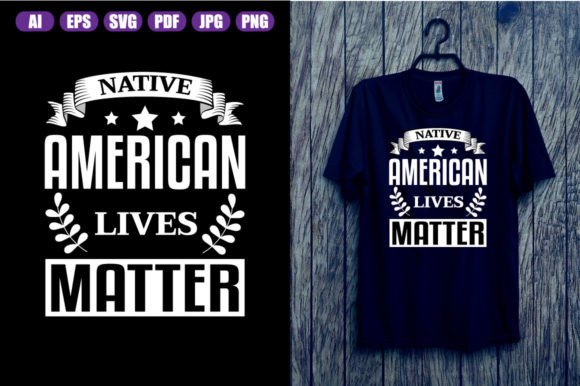
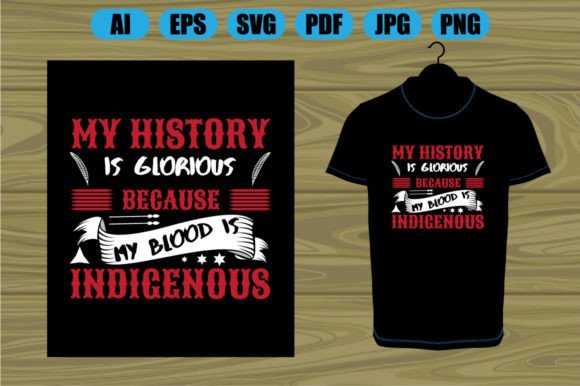
I have spent years stitching, digitizing, and reviewing machine embroidery design files for everything from high-end boutique branding to heartfelt personalized gifts. When I first opened the file labeled Vector Design for Indigenous Day, my initial reaction wasn't about the sales pitch; it was about the visual weight and cultural resonance of the artwork itself. In a sea of generic clip art, this piece stands out because it feels intentional. It doesn't just look like a graphic meant for a screen; it has a structural integrity that suggests it was conceived with the needle in mind.
The mood is one of celebration and respect. The layout balances bold shapes with enough negative space to allow the fabric texture to breathe, which is often the difference between a project that looks amateurish and one that commands attention. As an experienced designer evaluating this for real-world application, I am not just looking at pixels; I am imagining how the threads will lay down on various surfaces. This is where the true value of a embroidery file is revealed.
From Digital Vector to Stitched Reality
Let me walk you through a specific scenario I recently considered for a client's upcoming summer market booth. The goal was to create a cohesive line of handmade products celebrating heritage. I pulled up Vector Design for Indigenous Day to see if it would translate well onto a canvas tote bag. My immediate thought was regarding the density of the lines. For a tote bag, which is made of thick, woven cotton, the design needs to hold its shape without collapsing under the weight of the thread.
If the design relies heavily on tiny, intricate details, a standard satin stitch might struggle to cover the gaps on a coarse fabric. However, upon closer inspection of the vector structure, the primary elements appear robust. The curves are smooth, and the corners are defined enough to maintain their character even when compressed into a smaller hoop. This makes it an excellent candidate for a custom apparel line or a series of embroidered patches that could be sold as standalone items or applied to jackets and hats.
Imagine applying this to a baby onesie. The softness of the garment requires a lighter touch. If the design includes dense fill stitches, it might feel stiff against a baby's skin. But if the artist has optimized the stitch density correctly, the result is a soft, durable image that won't lose definition after multiple washes. This is crucial for parents who want a personalized gift that lasts. A design that fades or puckers quickly destroys trust in a handmade product, whereas a clean execution builds a reputation for quality.
Where This Design Shines in Your Business
For Etsy sellers and small shop owners, versatility is currency. Vector Design for Indigenous Day offers a broad range of applications that can expand your inventory without requiring new creative work. It fits naturally into the T-Shirt Designs category, but its potential extends far beyond basic cotton tees.
- Sweatshirt Embroidery: The heavier weight of fleece or french terry provides a perfect backdrop for bold graphics. The contrast between the raised stitches and the soft fabric creates a tactile appeal that customers love to touch.
- Holiday Embroidery: Whether for a specific cultural celebration or a general autumn festival, this design serves as a meaningful centerpiece for seasonal collections.
- Kitchen Towels and Aprons: These items are popular for craft fairs. A well-executed design here signals durability and utility, making it a practical choice for home goods.
- Boutique Branding: Small business owners can use this as a logo element on tags, hangtags, or packaging inserts to reinforce brand identity.
When you present these items to buyers, the professionalism of the finish speaks volumes. A customer scanning an Etsy listing sees a photo of a finished product. If the finished product shows clear satin stitch edges and no loose threads, they assume the entire business operates with that same level of care. This design, when executed well, supports that narrative of craftsmanship.
Practical Constraints and Where to Be Careful
However, every designer knows that "it depends." While this design has strong bones, there are specific situations where caution is required. I always advise testing before committing to a full production run.
If you plan to use this on a curved surface like a baseball cap, you need to consider the distortion factor. Curved panels can stretch the design, potentially warping the text or symbols if the original vector isn't pre-distorted for the curve. For embroidered patch applications, ensure the border is sufficient to prevent fraying during the cutting process.
Texture is another critical factor. On highly textured fabrics like chunky knits or heavy denim, fine details can get lost. If the design features tiny lettering or delicate decorative accents, these might disappear into the weave of the material. In such cases, a larger hoop size or a different background color might be necessary to maintain legibility.
Dark fabrics present a unique challenge. To ensure the design pops, you may need to use a higher thread count or a specific underlay technique. Without proper stabilization, dark, stretchy fabrics can pucker, ruining the aesthetic of the embroidery project. Always check the thread colors against the fabric swatch before starting. A light-colored design on a dark shirt requires careful planning to avoid the "see-through" effect common in lower-quality digitizing.
Essential Notes for the Embroidery Designer
Before you send this file to the machine, there are a few non-negotiable steps I take to ensure success. First, test the design on scrap fabric. This is the only way to truly gauge how the fill stitch will behave and whether the stabilizer you are using is adequate for the specific garment weight.
Review the stitch density. If the file is too dense, the fabric will become rigid and uncomfortable. If it is too sparse, the design will look thin and cheap. Since I do not have access to the exact stitch count or file format specifications in the product description, you must verify these details with the creator. Confirming the digital embroidery file compatibility with your specific machine software is also vital to avoid conversion errors.
Inspect small details closely. Zoom in on the vector preview. Are the corners sharp? Is the spacing consistent? These micro-decisions define the difference between a mass-produced look and a handcrafted feel. Also, test the design in black and white mockups to ensure the contrast holds up without relying on color perception.
Finally, clarify the licensing terms. If you intend to sell the finished items as part of your craft business, you need to know if the purchase allows for commercial use. Some designs are strictly for personal projects, while others permit selling the final output. Ignoring this step can lead to legal issues down the road. Ensure you have confirmation on whether the license covers both personal and commercial projects before you list any items on your store.
Final Thoughts on Visual Appeal and Value
In conclusion, Vector Design for Indigenous Day has the potential to be a standout asset for your portfolio. It strikes a balance between artistic expression and technical feasibility. When used correctly, it elevates the perceived value of your products, fostering customer trust and encouraging repeat business. Whether you are creating a single custom apparel piece for a loved one or building a catalog of small shop products, this design offers a solid foundation.
Remember, the best results come from preparation. Take the time to understand the limitations of your materials, respect the intricacies of the digitization, and always prioritize the end-user experience. By treating this design with the care it deserves, you ensure that the final stitched result honors the theme and meets the high standards expected by today's discerning buyers.