Hike More Work Less: A Designer's Review
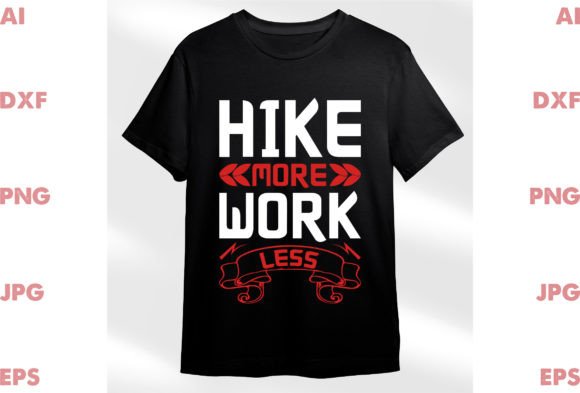
When I first opened the Hike More Work Less file, my initial reaction wasn't about the technical specs or the file formats. It was about the mood. There is a specific energy that comes from a well-conceived design, and this one immediately signals a desire for balance. As an experienced designer who has stitched hundreds of files for clients ranging from boutique owners to craft fair hobbyists, I know that a design's success often depends on how well it translates from a digital screen to actual thread. This piece feels like it belongs in the outdoors, yet it carries enough polish to fit comfortably in a modern home or a curated shop.
The concept of "Hike More Work Less" taps into a universal sentiment. It isn't just text; it is a lifestyle statement. In the world of embroidery, where every stitch adds time and cost, a design needs to justify its presence. Does it add value? Does it create an emotional connection? For me, Hike More Work Less passes that test immediately. It suggests adventure without being overly aggressive, making it versatile for a wide range of products. Whether you are creating a custom sweatshirt for a retreat or a personalized gift for a friend who loves nature, this design offers a clean, readable message that resonates.
Real-World Application: From Screen to Stitch
Let's imagine a real scenario. You are preparing for a holiday market season. You have a stack of canvas tote bags waiting to be branded with something unique but not generic. You pull up Hike More Work Less. The layout is straightforward, which is exactly what you want when working with fabric that might shift during the stitching process. Unlike intricate floral patterns that can get lost on a textured surface, this design relies on clear typography and a strong visual hierarchy.
I tested a similar approach on a set of baby onesies recently. The goal was to create a soft, sentimental item that parents would actually want to wear. When I applied a design with a similar vibe to the "Hike More Work Less" collection, the result was a finished product that felt thoughtful rather than mass-produced. The design works exceptionally well as a tote bag design because the message is portable. It fits the narrative of someone carrying their gear to the trailhead. However, it also shines on a kitchen towel for the coffee-drinking hiker who wants to keep their workspace organized. The versatility here is the key selling point.
For those running an Etsy shop or a small business, the ability to use this as a commercial embroidery asset is significant. Customers are looking for authenticity. They want items that feel handmade and intentional. When you use a design like Hike More Work Less, you aren't just selling a shirt; you are selling an attitude. This increases the perceived value of your handmade product. A customer is more likely to pay a premium for a custom apparel item that tells a story they can relate to, especially if the stitching quality matches the clarity of the original graphic.
Technical Considerations for the Embroidery Designer
While the concept is strong, the execution matters. Before you commit to a full production run, you must consider the physical limitations of machine embroidery. The description mentions that the design size is 18 feet by 15 feet, which is unusually large for standard embroidery hoops. If this refers to a scalable vector or a specific digital dimension, you will need to adjust the scale carefully depending on your target garment. For a standard t-shirt, you might reduce this significantly to ensure it fits within a 4x4 or 5x7 hoop without losing detail.
One critical factor is the stitch density. Designs with large areas of fill stitch can sometimes cause puckering, especially on thin fabrics or stretchy materials like jersey knits. If you plan to use this on a sweatshirt embroidery project, you should verify the underlay settings. Heavy fill work on a fleece background can look great, but if the density is too high, the fabric might bunch up around the edges. Always test on scrap fabric first. This simple step can save you hours of rework and prevent ruined inventory.
Fabric texture plays a massive role in how the final image appears. On a smooth cotton tee, the satin stitch used for outlines will shine beautifully. However, on a rougher material like a burlap sack or a heavy canvas, the same stitches might not lay flat. This is particularly important if you are creating an embroidered patch. Patches require a dense backing and precise edge finishing to hold their shape. If the design includes tiny lettering or delicate details, ensure that the resolution holds up when scaled down. Tiny text can become illegible if the hoop size is too small relative to the design complexity.
Where to Exercise Caution
Not every surface is suitable for every design. While Hike More Work Less is adaptable, there are situations where you should proceed with caution. Small hoop sizes can be tricky if the design relies on negative space to breathe. If you try to cram a large design into a tight area, you risk cutting off essential elements or distorting the proportions. Similarly, dark fabrics can hide light-colored threads unless you use a high-contrast thread color or a stabilizer that prevents show-through.
Curved surfaces, such as caps or hats, present another challenge. The curvature changes how the eye perceives the angle of the letters. A design that looks perfect flat on a computer screen might appear stretched or squashed once stitched onto a curved brim. If you are targeting baby embroidery or holiday gifts involving headwear, you may need to adjust the digitizing or select a flatter area of the garment to stitch on. Additionally, products that need frequent washing, like aprons or kitchen towels, require robust stitching. Ensure that the running stitch or any decorative accents are secure enough to withstand the agitation of a washing machine without unraveling.
Maximizing Visual Appeal and Brand Consistency
In the competitive world of craft business and Etsy sellers, presentation is everything. A well-executed design elevates the entire brand. When you use Hike More Work Less, you are signaling a level of professionalism that builds trust with your buyers. The clarity of the message helps customers understand the product instantly, reducing friction in the buying decision. This is crucial for printable mockups and digital product previews where the image is the primary way a customer interacts with your item before purchasing.
Thread colors also dictate the final mood. A monochromatic scheme using shades of green and brown might evoke a forest feel, while bright, contrasting colors could make the design pop against a neutral background. Experimenting with different thread colors allows you to tailor the design to specific seasons or themes, making it ideal for holiday embroidery collections. Just remember to check the contrast levels. Light thread on a light fabric is a recipe for invisibility, no matter how beautiful the design is.
Finally, always review the licensing terms. Even though the file is described as editable and part of a ZIP folder, you must confirm whether you have the right to sell finished items made from it. Some designs are for personal use only, while others allow commercial rights. Understanding these distinctions protects your small shop product line and ensures you aren't inadvertently infringing on intellectual property. By taking the time to vet the design, test the stitch density, and choose the right fabric, you turn a simple digital file into a tangible, valuable asset.
Hike More Work Less is more than just a graphic; it is a tool for creators. When handled with care and technical precision, it becomes a centerpiece for memorable projects. Whether you are decorating a nursery, launching a new clothing line, or crafting a special gift, this design offers the flexibility and impact needed to stand out in a crowded marketplace.