Hunting T-shirt Design Review for Real Embroidery
When I first opened the file labeled Hunting T-shirt Design, my initial reaction was a mix of curiosity and caution. As someone who has spent years refining machine embroidery designs for boutique clients and personal projects, I know that a great digital graphic does not always translate perfectly into thread. The prompt mentions this is a Graphics product under the T-Shirt Designs category, and while it comes in an EPS format which suggests high-quality vector scalability, the true test lies in how it behaves when stitched onto fabric. This review is not just about what the design looks like on a screen, but how it functions as a machine embroidery design in a real-world setting.
The First Impression: Mood and Visual Personality
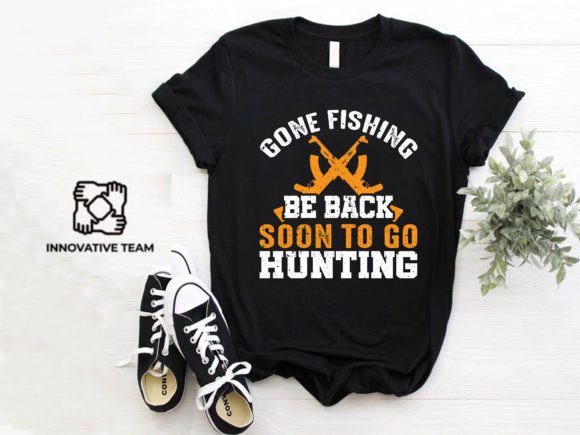
The Hunting T-shirt Design carries a distinct rugged energy. It immediately evokes themes of the outdoors, tradition, and craftsmanship. For a designer looking to create a cohesive collection, this piece feels like it belongs in a line of gear meant for the cabin or the field. The layout appears balanced, suggesting it can work well as a central chest motif or perhaps a larger back print depending on the final stitch density. However, before committing to a production run, one must consider the visual personality. Does it feel too cluttered for a small baby onesie? Is it bold enough to stand out on a heavy wool sweater? The design's strength lies in its ability to convey a specific lifestyle, making it a strong candidate for custom apparel aimed at outdoor enthusiasts.
I often advise clients to think about the "vibe" before they even touch the hoop. If you are an Etsy seller or a small shop owner, this design could be a cornerstone for holiday gifts or seasonal merchandise. It has that timeless quality that doesn't scream "trendy" but rather whispers "classic." Yet, that classic look requires precision. A design that looks clean in vector form can sometimes lose its soul if the stitch density is too low or if the satin stitch edges become jagged on textured fabrics. The Hunting T-shirt Design needs to be scrutinized for these details to ensure it maintains its professional appeal.
Real-World Application: From Digital File to Finished Product
Let me paint a picture of a practical scenario. Imagine you are preparing for the upcoming hunting season or a winter craft fair. You have decided to create a batch of personalized hoodies and tote bags featuring this artwork. You pull up the embroidery file and begin digitizing the elements. The first thing I notice is the potential versatility. The description notes that you can use this file for print on sweaters, jumpers, hoodies, t-shirts, mugs, pillows, and stickers. While printing is straightforward, embroidery adds a layer of tactile depth that elevates the perceived value of the item.
For a tote bag design, the Hunting T-shirt Design would likely perform admirably. Canvas is a forgiving fabric that handles fill stitches well, allowing the texture of the thread to complement the roughness of the material. Similarly, for sweatshirt embroidery, the heavier knit provides a stable base, reducing the risk of puckering. However, the same design applied to a delicate baby garment or a thin cotton pillow cover might require significant adjustments. In these cases, the running stitch elements need to be fine enough to avoid overwhelming the fabric, while the denser areas must be stabilized properly to prevent the thread from pulling through.
I also considered using this for embroidered patches. If the design includes clear borders and solid shapes, it could transition beautifully into a patch that customers can iron or sew onto caps and aprons. The key here is the clarity of the lines. A commercial embroidery project demands that every detail holds up under scrutiny. If the design relies on tiny text or intricate corners, it might struggle on a curved surface like a baseball cap. That is where careful planning becomes essential.
Navigating Challenges: Where Caution is Required
No design is perfect for every application, and the Hunting T-shirt Design is no exception. There are specific scenarios where this piece might face challenges. Small hoop sizes are a common pitfall. If the design contains complex details, trying to force it into a 4x4 inch hoop can result in lost information or distorted proportions. Before purchasing or downloading, you must check the dimensions against your machine's capabilities.
Fabric texture plays a massive role in the final outcome. On stretchy fabrics like jersey or lightweight knits, the tension of the threads can cause the material to warp. Without the right stabilizer, the finished product might look uneven or wrinkled. Dark fabrics present another hurdle; if the design relies on light thread colors for contrast, you may need to add a backing or adjust the thread palette to ensure visibility. Furthermore, products that undergo frequent washing, such as kitchen towels or aprons, need robust stitching. If the stitch density is too high, the fabric can become stiff and prone to tearing over time.
Curved surfaces like caps require special attention. The geometry of a hat changes the way a flat design appears once stitched. What looks symmetrical on a computer screen might appear skewed on a rounded brim. This is why testing on scrap fabric is non-negotiable. It allows you to see how the thread colors interact with the background and whether the design holds its shape without excessive tension.
Practical Notes for the Designer and Entrepreneur
If you are a creative entrepreneur or a handmade product maker, your reputation depends on the quality of your output. When working with the Hunting T-shirt Design, I recommend starting with a test run on a scrap piece of the actual fabric you intend to use. This step helps you verify the hoop size requirements and ensures that the embroidery project will meet your standards.
Check the thread color contrast carefully. Sometimes, a design that looks vibrant on a monitor loses its impact in thread form. Reviewing the design in black and white mockups can help you assess the balance of light and dark areas. Additionally, confirm the licensing terms before selling finished items or digital products. The prompt mentions checking details before buying, so ensure you understand whether you have the rights to sell the physical goods created from this digital embroidery file.
Using proper stabilizer is crucial for maintaining the integrity of the design. Whether you are creating a personalized gift or a small shop product, the stability of the fabric during stitching determines the longevity of the piece. Inspect small details closely; if there are any tiny letters or decorative accents, make sure they are large enough to be legible after stitching. If the design feels too dense, consider simplifying it or adjusting the stitch settings to improve the overall aesthetic.
Final Thoughts on Value and Appeal
The Hunting T-shirt Design offers a compelling opportunity for those looking to expand their inventory of design assets. Its thematic relevance makes it a natural fit for holiday embroidery projects, wedding gifts, and boutique branding. When executed correctly, it enhances the visual appeal and professionalism of the finished product, fostering customer trust and engagement. However, success depends on the user's ability to adapt the design to various materials and applications.
Whether you are an experienced apparel decorator or a hobbyist exploring new avenues, this design serves as a reminder that the best results come from thoughtful preparation. By testing, adjusting, and respecting the limitations of both the machine and the fabric, you can transform a simple graphic into a cherished piece of art. Remember, the difference between a good handmade item and a great one often lies in the details you catch before the needle ever touches the cloth.