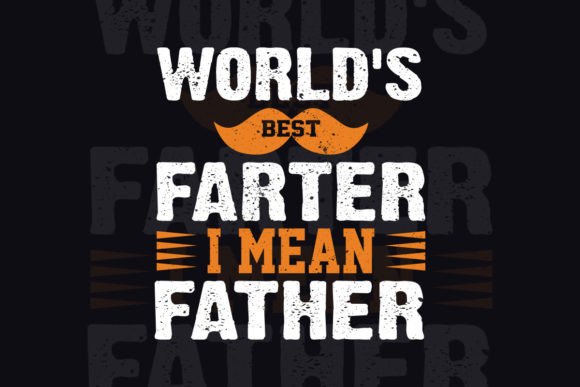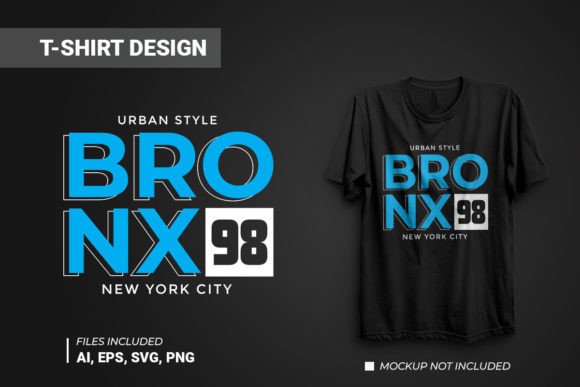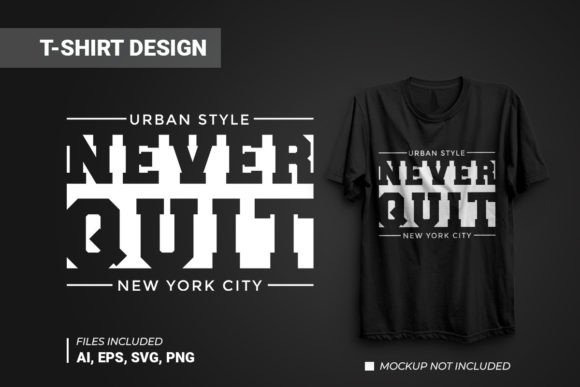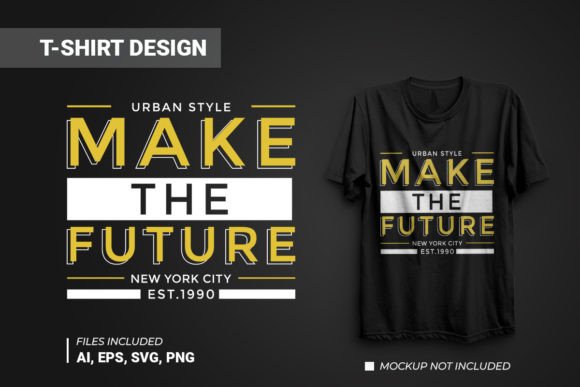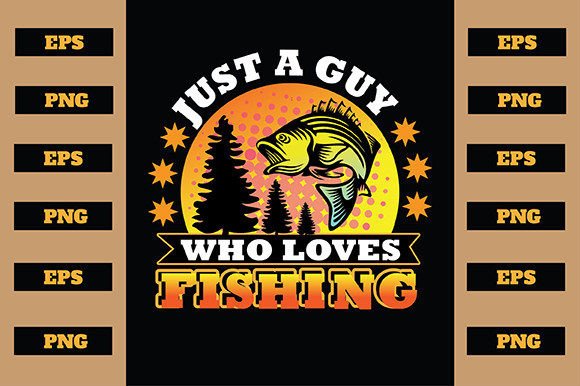
T-Shirt Design Review for Embroidery Projects
First Impressions: A Versatile Machine Embroidery Design
As an experienced designer and embroidery product reviewer, my first glance at T-shirt Design tells me this is a design that could easily fit into a variety of handmade and commercial projects. The high-resolution PNG file with a transparent background makes it easy to see how the artwork will look on different fabric types. The EPS format adds flexibility for those who want to tweak colors or scale the design in vector software like Adobe Illustrator or Inkscape.
The layout feels balanced and not overly complicated. It has enough detail to stand out but isn't so intricate that it would be difficult to stitch on most fabrics. I can imagine using this design for custom apparel, especially for items like sweatshirts or tote bags where a bit of visual interest is needed without overwhelming the overall look.
Real-Life Scenario: Custom Embroidered Tote Bag
Let’s say I’m preparing a custom embroidered tote bag for a small shop. I need a design that looks good on a larger surface and still maintains its clarity. T-shirt Design fits the bill here. It has a clean shape that won’t get lost on a canvas fabric, and the details are just right—not too fine that they’d disappear on a thick or textured material.
I can see this design working well as an embroidered patch or even as part of a larger applique design. If I were to use it on a sweatshirt, I’d make sure to test the stitch density first to avoid puckering. For a tote bag, I might add some satin stitches around the edges to give it a more finished look.
For baby clothes or caps, I’d be careful with the placement. Tiny lettering or detailed corners might not translate well if the fabric is stretchy or thin. But on a sturdy apron or pillow cover, T-shirt Design would add a nice touch of personality without being too busy.
Where to Use with Caution
T-shirt Design is a solid choice for many projects, but there are a few situations where it might require extra attention. When working with small hoop sizes, I’d check if all the details are visible and not cut off during stitching. Textured fabrics or dark-colored garments may also affect how the design appears—especially if the thread color doesn’t contrast well.
For curved surfaces like caps or hats, the design should be tested on scrap fabric first to ensure it doesn’t distort. Dense stitch areas or decorative accents might cause the fabric to pucker if the right stabilizer isn’t used. And when considering frequent washing, I’d recommend using a quality stabilizer and testing the durability of the embroidery before finalizing any project.
Design Impact on Visual Appeal and Product Value
When it comes to visual appeal, T-shirt Design brings a sense of professionalism and creativity to any embroidered product. Whether it's a personalized gift or a boutique item, the design helps elevate the handmade presentation. This kind of attention to detail can significantly boost customer trust and engagement, especially for Etsy sellers or craft fair products.
The clarity of the design contributes to the perceived value of the finished product. A well-executed embroidery project with a thoughtful design can turn a simple t-shirt into a unique, marketable item. For small shop owners or digital product sellers, having consistent design assets across their product line helps build brand recognition and professionalism.
As a gift item, T-shirt Design offers versatility. It can be adapted for holiday gifts, wedding favors, or nursery decor. The ability to change colors and modify the design gives creators the freedom to tailor the embroidery to specific themes or occasions.
Practical Embroidery Designer Notes
Before using T-shirt Design in a real project, I recommend testing it on scrap fabric first. Check how the thread colors contrast with your chosen fabric. Review the stitch density to avoid issues with stretchy or thin materials. Confirm the hoop size you’ll be using and inspect small details closely, especially if you plan to use the design on smaller items like patches or caps.
Testing the design in black and white mockups can help identify potential visibility issues on dark or light backgrounds. Using proper stabilizer is crucial for maintaining the integrity of the embroidery, particularly on delicate or textured fabrics. Also, always confirm whether the design is suitable for both personal and commercial use and check the licensing terms before selling finished items or digital products.
Whether you're an Etsy seller, a hobbyist, or running a small craft business, T-shirt Design offers a practical foundation for creating custom embroidery projects. With a little care and preparation, it can become a valuable addition to your design library.