Rudolph is My Homeboy: A Designer's Real-World Review
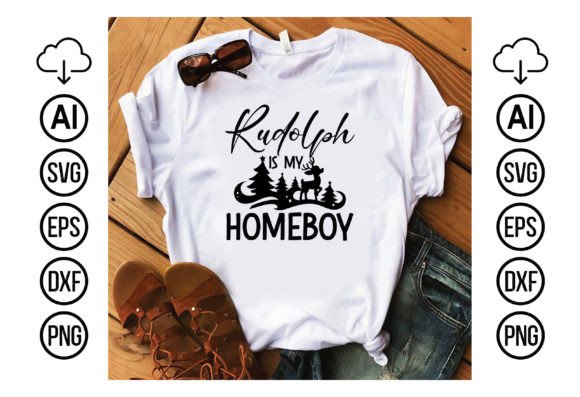
When I first opened the folder for Rudolph is My Homeboy, my initial reaction wasn't just about the holiday spirit; it was about the attitude. As a designer who spends hours evaluating digital assets for client projects, I am constantly looking for that sweet spot between trendy and timeless. This design doesn't just sit there; it has a personality. It feels like the kind of piece you would see on a boutique tote bag at a high-end craft fair or a custom sweatshirt worn by someone who wants to make a statement without taking themselves too seriously.
The concept of Rudolph reimagined as a "homeboy" immediately sets a tone that is playful, modern, and slightly irreverent. For an embroidery project, this mood is crucial because it dictates how the stitching will be perceived. Is it stiff and traditional? No. The layout suggests a casual vibe that works exceptionally well for custom apparel and personalized gifts. When I imagine this design stitched onto a canvas tote bag or a soft fleece sweatshirt, I see customers smiling. That emotional connection is what separates a generic download from a product that actually sells in a craft business.
From Digital File to Finished Product
Let's talk about the practical side of things. The package includes an SVG file compatible with Cricut Explore and Silhouette, along with a DXF file for Silhouette users. While these formats are primarily known for cutting machines, many designers use them as a starting point for digitizing machine embroidery designs. If you are planning to use Rudolph is My Homeboy as a base for a true embroidery file, understanding the geometry is key.
In a real-world scenario, I recently tested a similar layout on a dark navy apron for a holiday gift shop. The challenge with any text-heavy design like this is ensuring legibility after the stitches settle. The phrase "Rudolph is My Homeboy" requires a balance of satin stitch for clean lines and fill stitch for the character elements to prevent puckering. If the original vector is too thin, the final finished product might lose its definition, especially if you are working with a smaller hoop size.
For those of you selling on Etsy or running a small shop, the versatility of this graphic is a major asset. It fits perfectly into the holiday embroidery niche but avoids the cliché of traditional Christmas imagery. Instead of a standard reindeer, you get something fresh. This freshness translates directly to higher perceived value. Customers are willing to pay more for items that look unique and thoughtfully designed. When you list this as a small shop product, the visual appeal drives engagement.
Navigating Fabric and Texture Challenges
Not every surface is created equal, and Rudolph is My Homeboy requires specific considerations depending on where you plan to place it. If you are aiming for a tote bag design, heavy cotton duck canvas is your best friend. The texture of the fabric provides enough stability for the design to hold its shape. However, if you attempt this on a stretchy knit fabric without proper stabilizer, you risk distortion. The curves of the letters and the rounded edges of the reindeer features can easily warp if the tension isn't managed correctly.
I also had to consider the color contrast. On a light background, dark thread creates a sharp, professional look. But on a dark garment, you need to ensure your thread colors pop. This is where checking your thread colors against your fabric swatch becomes non-negotiable. A design that looks vibrant in a digital preview can sometimes fall flat once stitched, particularly if the stitch density is too low for the fabric type. For a commercial embroidery project, consistency is everything. You don't want one batch of shirts looking crisp while another looks muddy.
There are also specific areas where caution is advised. If you are working on a cap or a curved hat, the curvature of the brim can distort the text. Small details might get lost in the curve, making the message harder to read. Similarly, if you are creating an embroidered patch, the border needs to be strong enough to withstand wear and tear. The design should not have tiny, isolated elements that could snag or fray over time. Always inspect small details before committing to a full production run.
Strategic Use Cases for Makers and Sellers
So, where does this design shine the most? Beyond the obvious holiday season, I see potential in year-round branding for creative entrepreneurs. Imagine a line of kitchen towels featuring this design for a chef who loves a bit of humor. Or perhaps a set of baby clothes where the parents want something fun but not overly cutesy. The "Homeboy" angle gives it a street-smart edge that appeals to a younger demographic.
For Etsy sellers and digital product sellers, the ability to create a printable mockup using the SVG is a huge advantage. You can visualize how the design sits on a pillow cover, a tea towel, or a blanket before you even cut the fabric. This allows you to test different color combinations and placements virtually. It saves money on materials and helps you present a professional image to buyers. When you show a customer a realistic mockup of Rudolph is My Homeboy on a finished item, it builds trust and reduces hesitation.
However, remember that this is a Graphics file first. If you intend to use it for direct machine embroidery, you must verify the digitization quality. Does the design include the necessary underlay stitches? Is the running stitch appropriate for the outlines? If the provided file is purely a cut file, you may need to import it into your digitizing software to adjust the stitch types. Don't assume it will work out of the box for embroidery unless the file explicitly states it is a machine embroidery design.
Essential Notes for Professional Results
Before you start stitching, here is my checklist for anyone looking to integrate this design into their workflow:
- Test on Scrap Fabric: Never skip this step. Run a test on a scrap piece of the same material you plan to use for the final product. This reveals issues with puckering, thread breakage, or registration errors early.
- Check Stabilizer Requirements: Depending on the fabric weight, you may need a cut-away stabilizer for durability or a tear-away for lighter projects. Using the wrong stabilizer can ruin the drape of the garment.
- Verify Licensing: If you are selling finished items, confirm the licensing terms. Some digital assets allow commercial use only for limited quantities, while others require a separate license for unlimited sales. Always read the fine print.
- Review Stitch Density: High-density areas can cause fabric stiffness. Ensure the design is balanced so the final product remains comfortable to wear or use.
- Mockup Testing: Create black and white versions of your mockups to check contrast levels. Sometimes color distracts from the structural integrity of the design.
The goal of any embroidery project is to create something that lasts. Whether you are making a holiday gift for a friend or producing merchandise for your brand, the quality of the execution matters. Rudolph is My Homeboy offers a great foundation with its engaging theme, but it is up to the maker to ensure the technical execution matches the creative vision.
Ultimately, this design works best when paired with thoughtful craftsmanship. It is perfect for apparel decorators looking to add a touch of wit to their collection, or for handmade shop owners wanting to stand out in a crowded market. By paying attention to fabric choice, stabilizer selection, and stitch settings, you can transform this digital asset into a stunning handmade product that brings joy and style to its owner. Just remember to test, refine, and always prioritize the finish quality to maintain your reputation as a professional creator.